Living a healthier life doesn't always mean following a strict diet, spending hours at the gym, or making dramatic lifestyle changes. Often, the biggest improvements come from small, consistent habits that support your physical and mental well-being over time.
With so many wellness trends and fitness recommendations available today, it can be difficult to know where to start. However, the fundamentals of good health remain relatively simple: take care of your mind, get enough rest, eat nutritious food, stay physically active, and create a healthier environment.
According to an article published by Harvard Health Publishing, adopting five timeless habits can help support long-term health and overall wellness. These habits are practical, accessible, and can be incorporated into everyday routines.
Here are five habits worth developing to help you build a healthier lifestyle.
1. Practice Mindfulness and Manage Daily Stress
A healthy lifestyle starts with more than physical activity. Your mental well-being also plays an important role in maintaining overall health.
Mindfulness is the practice of paying attention to the present moment without becoming overwhelmed by thoughts, worries, or distractions. Incorporating mindfulness into your daily routine can help manage stress, improve concentration, and support better sleep.
Chronic stress can affect several aspects of your health, including your heart, brain, and sleep patterns. Finding ways to relax and manage everyday pressure is therefore an important part of maintaining a balanced lifestyle.
Simple ways to practice mindfulness:
Spend 5–10 minutes practicing meditation or breathing exercises.
Take a relaxing walk outdoors and pay attention to your surroundings.
Take short breaks between work or daily activities.
Practice mindful eating by slowing down and enjoying your meals.
You don't need complicated techniques to get started. Even a few minutes of intentional relaxation each day can help create a more balanced routine.
2. Prioritize Quality Sleep and Recovery
Sleep is one of the most important foundations of good health. While exercise and nutrition often receive the most attention, adequate sleep is equally important for helping your body and mind function properly.
During sleep, your body carries out important processes that support physical recovery, immune function, memory, and cognitive performance. Getting sufficient, restful sleep can also help regulate appetite and support overall mental well-being.
For most adults, at least seven hours of sleep per night is recommended. However, sleep quality matters just as much as duration.
Tips for improving your sleep quality:
Maintain a consistent bedtime and wake-up schedule.
Avoid caffeine in the afternoon and evening.
Limit screen time at least 30 minutes before bedtime.
Avoid heavy meals close to bedtime.
Incorporate regular physical activity into your routine.
For people who exercise regularly, recovery should be treated as part of the training process. Giving your body enough time to rest helps support adaptation to physical activity and prepares you for your next workout.
Remember, getting stronger and improving fitness isn't just about how hard you train. It's also about how well you recover.
3. Build a Balanced Diet with Whole Foods
Nutrition plays a major role in supporting energy levels, physical performance, and long-term health.
A balanced diet provides your body with the nutrients it needs to function properly. Rather than relying on restrictive diets or short-term eating trends, focus on incorporating more whole and minimally processed foods into your daily meals.
Some nutritious food choices include:
Fruits and vegetables: Provide essential vitamins, minerals, and fiber.
Whole grains: Offer carbohydrates and fiber to support daily energy needs.
Legumes: Foods such as beans, peas, and lentils provide plant-based protein and fiber.
Healthy protein sources: Help maintain and repair muscles.
Nuts and seeds: Provide healthy fats and additional nutrients.
For people with active lifestyles, nutrition is especially important. Carbohydrates help fuel physical activity, while protein supports muscle maintenance and recovery. A balanced intake of healthy fats, vitamins, minerals, and sufficient fluids also contributes to overall performance.
Another important step is reducing excessive consumption of highly processed foods that are often high in added sugar, sodium, and unhealthy fats.
You don't need to change your entire diet overnight. Start by making small improvements, choosing more nutritious ingredients, and developing eating habits that you can maintain over time.
4. Move More and Reduce Prolonged Sitting
Regular physical activity is one of the most effective ways to support long-term health.
Exercise helps maintain cardiovascular fitness, build muscular strength, improve mobility, and support mental well-being. It can also help reduce the risk of several chronic health conditions when combined with other healthy lifestyle habits.
However, staying active doesn't mean you need to spend every day doing intense workouts.
The key is to incorporate more movement into your everyday routine and avoid sitting for extended periods.
Here are some simple ways to stay active:
Take a short walk during your lunch break.
Use the stairs instead of the elevator when practical.
Stretch or move around between long periods of sitting.
Go cycling, swimming, jogging, or walking outdoors.
Incorporate strength training into your weekly schedule.
For a more structured fitness routine, consider combining different types of exercise:
Cardiovascular Training
Activities such as running, cycling, rowing, and walking help improve cardiovascular endurance and overall fitness.
Strength Training
Resistance exercises help build and maintain muscle strength, support functional movement, and improve physical performance.
Mobility and Flexibility
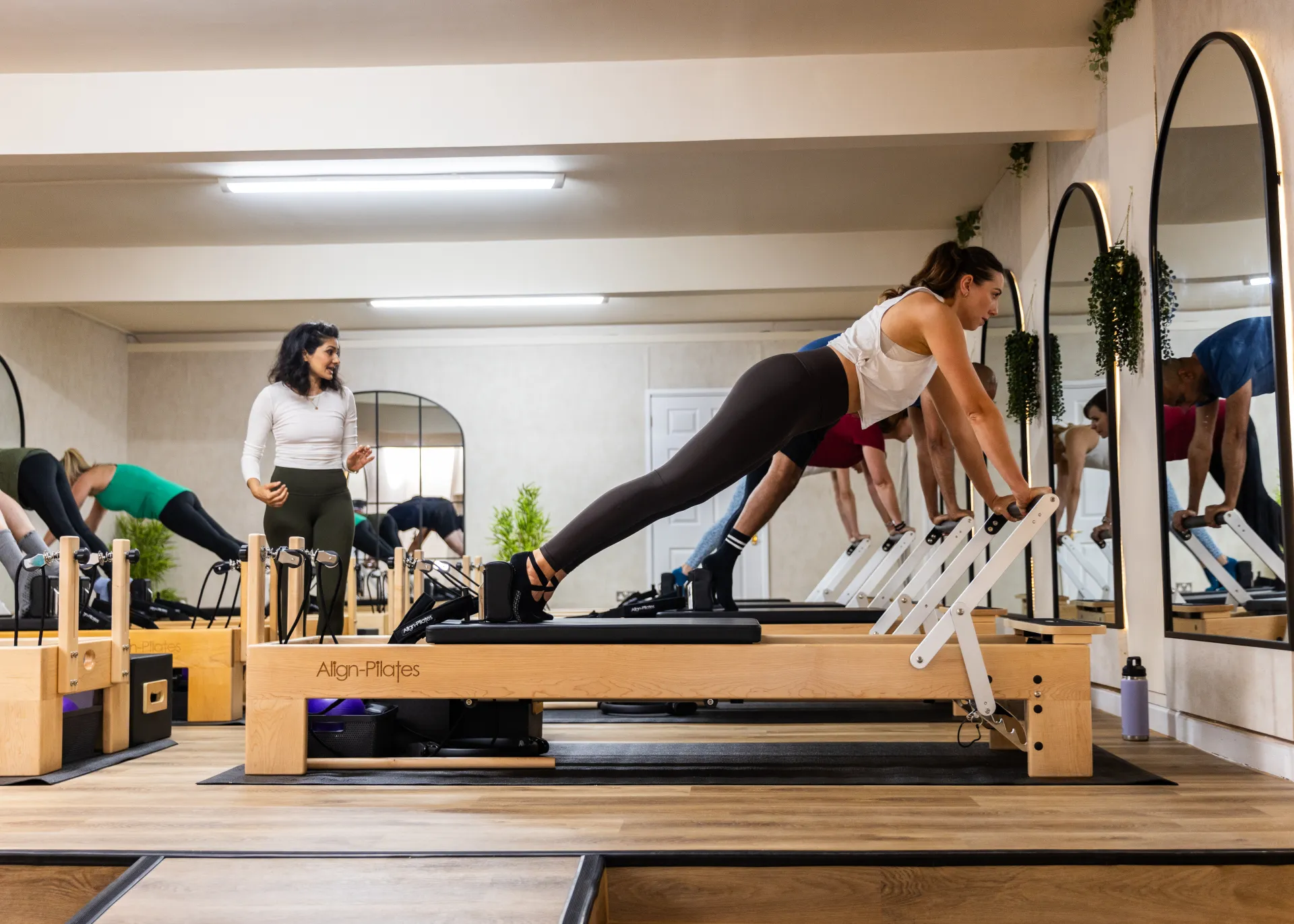
Stretching, Pilates, and mobility exercises help develop body awareness, movement control, and flexibility.
Having the right fitness equipment can make it easier to incorporate these activities into your lifestyle. Whether you're setting up a home gym or creating a dedicated workout space, equipment such as treadmills, exercise bikes, strength machines, and Pilates reformers can support a variety of training needs.
The most important thing is to find activities you enjoy and make movement a consistent part of your day.
5. Create a Healthier Environment Around You
Your environment can influence your health more than you might realize.
Everyday exposure to air pollution, microplastics, and certain chemicals can contribute to potential health concerns. Although avoiding every environmental pollutant is difficult, making small changes at home and in your daily surroundings can help reduce unnecessary exposure.
Consider these practical steps:
Improve indoor air quality: Maintain good ventilation and consider using an appropriately sized air purifier.
Choose safer food and drink containers: Use glass or stainless steel alternatives when practical.
Use water filtration: Consider suitable water filtration systems to help reduce certain contaminants.
Improve kitchen ventilation: Ventilate your kitchen when cooking, particularly when using a gas stove.
Spend time in cleaner outdoor environments: Choose parks and green spaces for walking and exercise when possible.
Creating a healthier environment also means making your living space more supportive of physical activity.
A comfortable workout area, adequate ventilation, and access to appropriate fitness equipment can encourage you to move more consistently and maintain an active lifestyle.
Build Healthy Habits That Last
Improving your health doesn't happen overnight. It is the result of everyday decisions that gradually become part of your lifestyle.
From managing stress and prioritizing sleep to eating nutritious food, staying active, and creating a healthier environment, these five habits provide a practical foundation for long-term wellness.
You don't have to start everything at once. Begin with one or two changes that fit your current routine, then gradually build from there.
At PrimaFit, we believe that creating a healthier lifestyle starts with making movement a regular part of everyday life. Whether you're looking to improve your home workout routine, build a dedicated fitness space, or explore professional fitness solutions, having the right equipment can help you stay consistent with your goals.
Explore premium fitness and wellness solutions from internationally recognized brands, including Life Fitness, Hammer Strength, Technogym, Merrithew, Align-Pilates, and more.
Start building your healthier lifestyle with PrimaFit.
Visit PrimaFit to explore our fitness equipment, wellness solutions, and expert consultation services.
Reference
Coltrera, F. (2025, September 24). 5 timeless habits for better health. Harvard Health Publishing. Reviewed by Wynne Armand, MD.
Original article: https://www.health.harvard.edu/blog/5-timeless-habits-for-better-health-202509243106
This article is an independently written adaptation inspired by the five wellness habits discussed in the Harvard Health Publishing article. For medical concerns or personalized health advice, consult a qualified healthcare professional.