Pilates is not new to Indonesia. What has changed is how visible it has become. Dedicated Reformer studios, boutique classes and Pilates programmes within broader fitness spaces are making the practice easier to discover in major urban and wellness destinations. The shift reflects a wider interest in guided movement experiences that combine strength, control and body awareness.
A July 2026 article by DOKU, citing PoiData.io, reported an estimated 545 Pilates studios in Indonesia as of May 2026, including 175 in Jakarta and 83 in Bali. This is a directory-based snapshot rather than a measure of class attendance or market revenue, but it illustrates how much more established the studio landscape has become.
What Is Driving Pilates’ Growth in Indonesia?
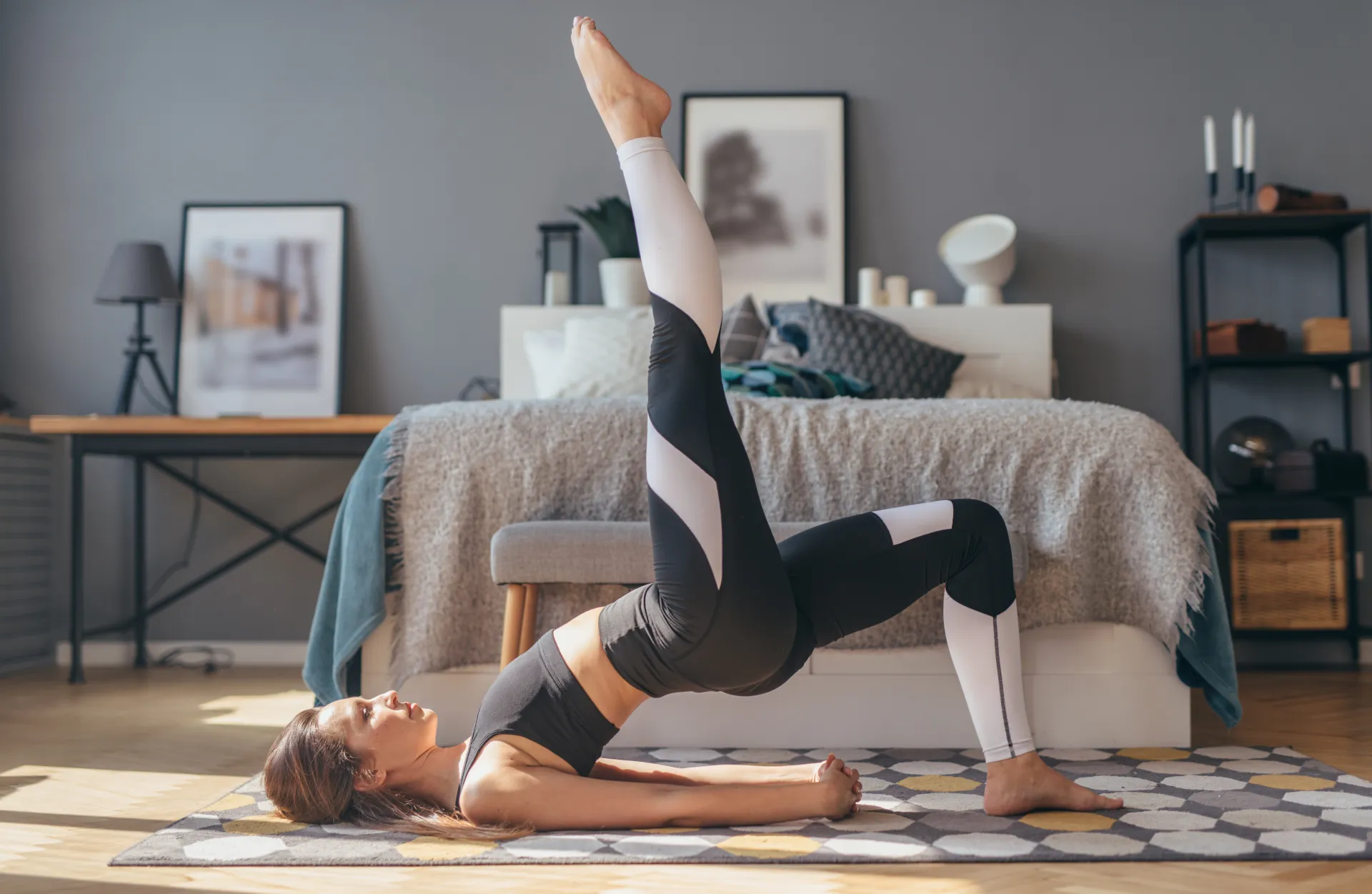
One reason is the appeal of a structured, instructor-led session. Pilates focuses on controlled movement, alignment, breathing and coordination. For people who find conventional gym routines repetitive or are unsure how to structure a workout, a coached class can offer a clear starting point and a sense of progression.
The studio format also makes the experience social and scheduled. Small-group classes, instructor guidance and bookable sessions can help people build a routine. Visual content on social media has likely helped more people discover Pilates, particularly Reformer classes, although visibility online should not be confused with long-term participation.
Why Is Reformer Pilates Getting So Much Attention?
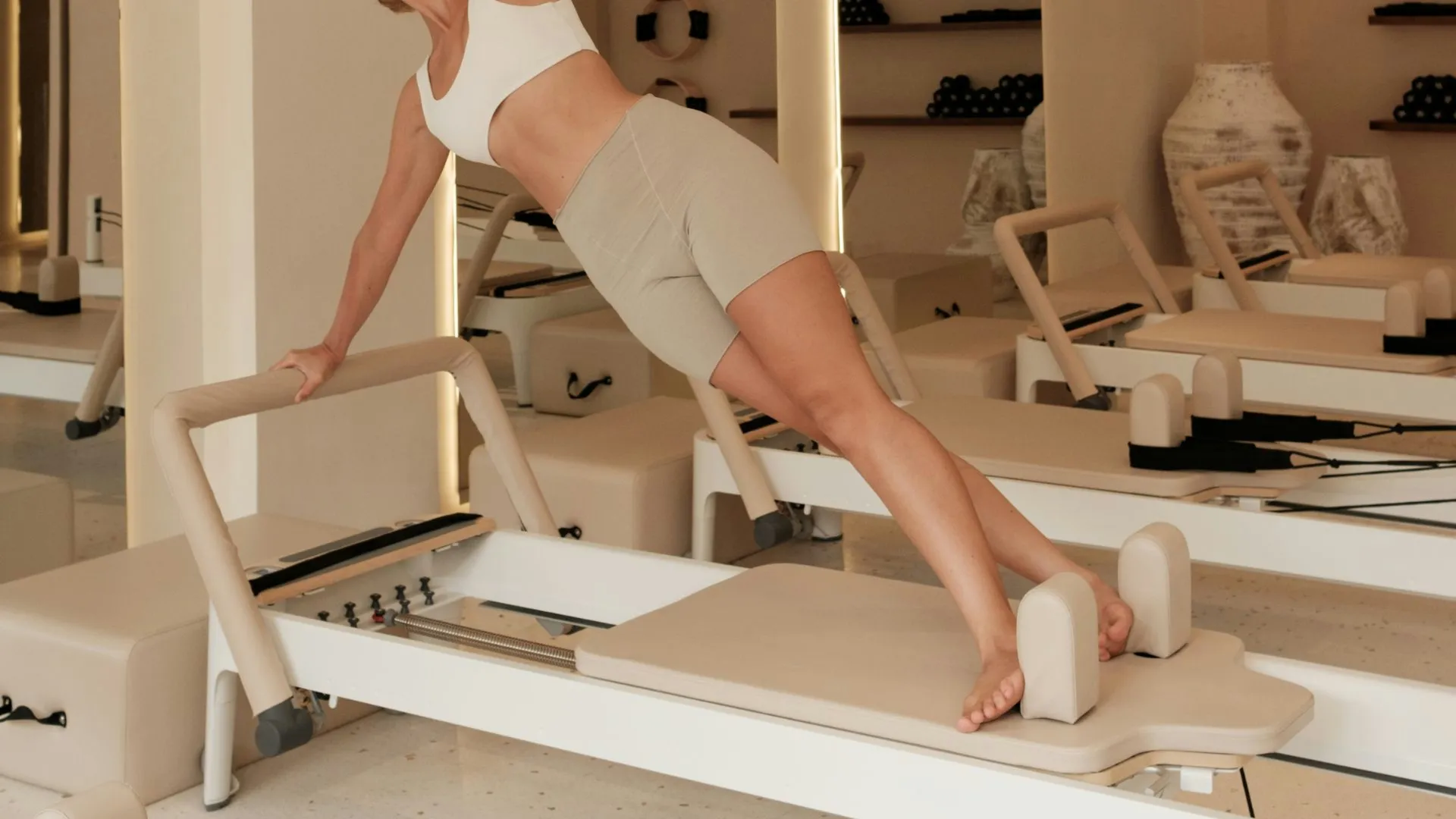
Reformer Pilates uses a moving carriage with springs, straps and a footbar to create adjustable resistance. This allows instructors to adapt exercises and progressions to different experience levels and training goals. The equipment also supports a wide range of controlled movements, making it a distinctive studio experience compared with mat-based classes.
The Reformer is not automatically better than mat Pilates. Each format has a different setup and teaching context. Mat Pilates can be delivered with relatively little equipment, while Reformer sessions require specialist apparatus, space and instructors who understand how to use it safely and effectively.
Is Pilates Replacing Traditional Gym Training?
Not necessarily. Pilates is better understood as part of a broader fitness routine. It can complement strength training, cardio, running, racket sports and other activities by giving people another way to work on control, mobility and muscular endurance. It does not replace the need for progressive resistance training or cardiovascular exercise when those are part of a person’s goals.
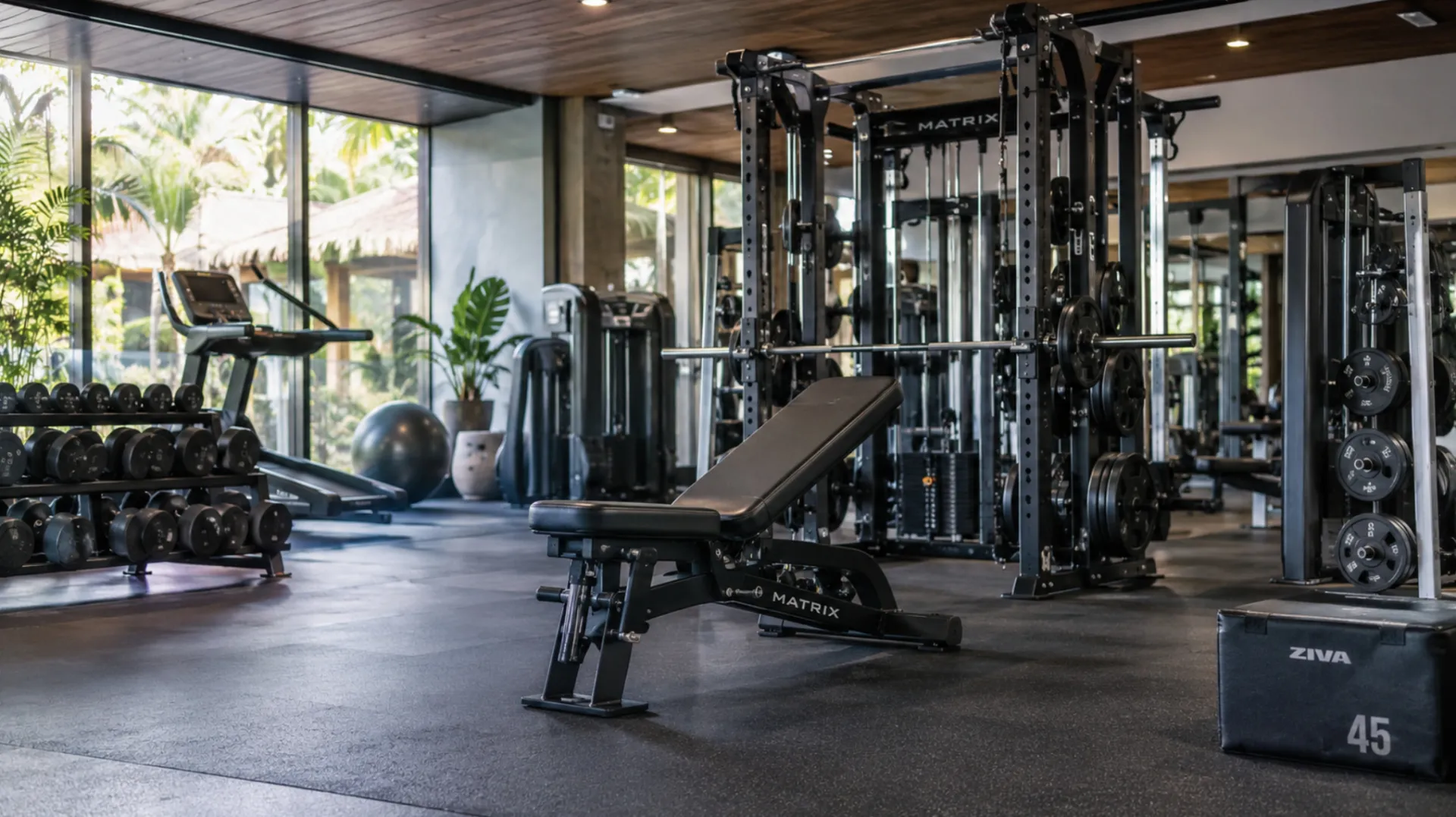
This complementary role helps explain why Pilates is appearing in more than standalone studios. Gyms, hotels, wellness centres and residential facilities can include a dedicated Pilates area as part of a wider movement offering.
What Should a Pilates Studio Consider as Demand Grows?
More studios create opportunity, but they also raise expectations. Business owners need to think beyond buying Reformers. The choice of equipment should match the class format, instructor approach, expected daily usage, available floor space and target clientele. A private studio with one-to-one sessions will have different needs from a group studio running several classes each day.
Equipment quality, adjustability, stability, maintenance and after-sales support all affect the experience over time. Layout matters too: instructors need room to demonstrate and move between clients, while users need enough space to get on and off each Reformer comfortably.
For a studio planning its equipment mix, PrimaFit offers Pilates reformers, chairs and studio equipment from brands including Merrithew and Align-Pilates. Its Pilates range and wider solutions can help owners compare equipment options for home practice and professional studios. Explore the PrimaFit Pilates equipment range, All Products and PrimaFit Solutions.
What Does the Growth of Pilates Mean for Indonesia’s Fitness Industry?
The opportunity is not simply to open more studios. Sustainable growth depends on good instruction, well-maintained equipment and a clear experience for clients. As Pilates becomes more familiar, customers are likely to look more closely at class quality, instructor knowledge, consistency and the environment in which they train.
Pilates is not a passing discovery for Indonesia, nor is every new studio proof of a booming business. The more meaningful change is that the practice is moving further into the country’s mainstream fitness conversation. For operators developing a studio or adding Pilates to an existing facility, thoughtful planning and the right equipment partner can help turn that interest into a reliable training experience.