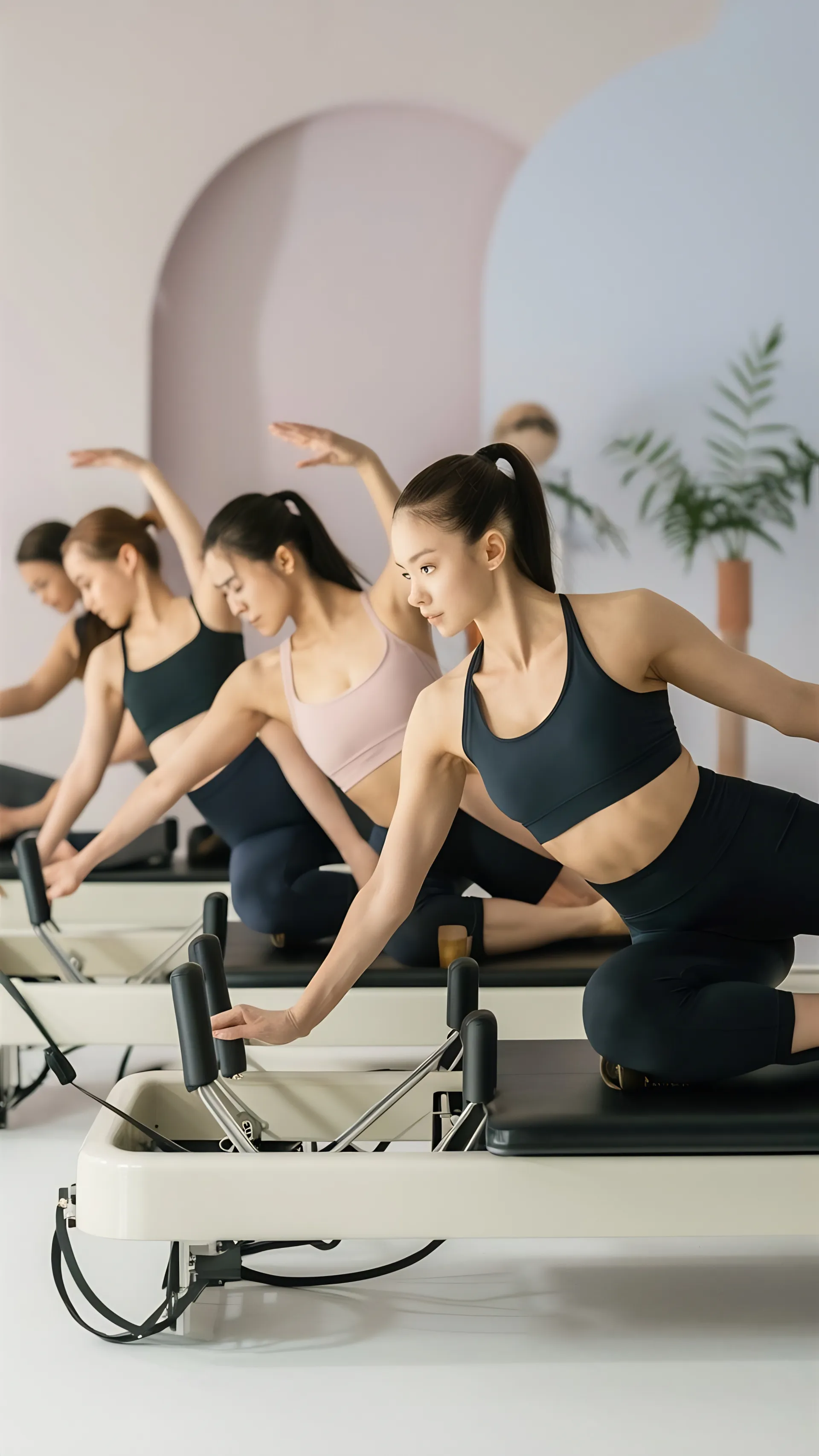
One of the most common questions people ask before starting their Pilates journey is, "How often should I do Pilates to see the results?"
Whether the goal is to build strength, improve posture, become more flexible, or simply feel healthier, consistency plays a much bigger role than intensity. The good news is that you don't need to spend hours in the studio every day to experience the benefits of Pilates.
With the right training schedule and a commitment to regular practice, you can begin noticing positive changes in both your body and mind within just a few weeks.
In this guide, we'll explore how often you should practice Pilates based on your fitness goals, when you can expect to see results, and how to make the most of every session.
Does Pilates Really Work?
Pilates has become one of the world's most popular forms of low impact exercise because it focuses on improving strength, flexibility, posture, balance, and body awareness all at the same time.
Unlike workouts that rely on heavy lifting or high intensity movements, Pilates emphasizes controlled, precise exercises that strengthen your muscles from the inside out.
Many people notice benefits such as:
Better posture
Increased core strength
Improved flexibility
Better balance and coordination
Reduced muscle tension
Increased energy
Enhanced body awareness
Improved athletic performance
However, like any fitness program, the key to success is consistency.
How Many Times a Week Should You Do Pilates?
For most people, 2 to 3 Pilates sessions per week is enough to start seeing noticeable improvements.
However, the ideal frequency depends on your individual goals.
Let's break it down.
For a Beginner
Recommended Frequency: 2 sessions per week
If you've never done Pilates before, your body needs time to adapt to the new movement patterns.
Starting with two classes each week allows you to:
Learn proper breathing techniques
Understand Pilates fundamentals
Build core stability
Improve body awareness
Develop a sustainable routine
Remember, Pilates is about mastering quality of movement, not rushing through exercises.
Once you feel comfortable, you can gradually increase your training frequency.
For General Fitness
Recommended Frequency: 3 sessions per week
Three sessions each week provide an excellent balance between training and recovery.
At this stage, you'll likely notice improvements in:
Muscle endurance
Flexibility
Mobility
Posture
Overall strength
This schedule is ideal for busy professionals who want to stay active without spending every day at the gym.
If You Want to Tone Your Body
Recommended Frequency: 3–4 sessions per week
Pilates is well known for creating long, lean muscles rather than bulky muscle mass.
If your goal is to improve muscle definition and body composition, practicing Pilates three to four times a week can be highly effective.
For even better results, combine Pilates with:
Strength training
Cardiovascular exercise
A balanced diet
Quality sleep
Together, these habits create a sustainable approach to long term fitness.
For an Athlete
Recommended Frequency: 2–4 sessions per week
Many professional athletes incorporate Pilates into their training programs because it helps improve:
Core stability
Flexibility
Mobility
Balance
Injury prevention
Movement efficiency
Pilates complements sports such as running, tennis, golf, cycling, swimming, and HYROX training by improving movement mechanics and overall performance.
How Long Does It Take to See Results from Pilates?
Everyone progresses at a different pace depending on factors such as age, fitness level, consistency, nutrition, and recovery.
However, here's what many people experience.
Weeks 1–2: Building the Foundation
During your first couple of weeks, your body is learning new movement patterns.
You may notice:
Better body awareness
Reduced muscle stiffness
Improved breathing
Feeling more energized after class
Better focus and mental clarity
While physical changes may not be obvious yet, your body is already adapting.
Weeks 3–4: Early Improvements
With consistent practice, you'll begin to feel stronger and more confident in your movements.
Common improvements include:
Better posture
Increased flexibility
Improved balance
Stronger core muscles
Easier everyday movement
Many people also notice reduced neck and lower back discomfort during this stage.
Weeks 6–8: Visible Changes
This is when your consistency starts paying off.
You may notice:
A stronger, more stable core
Improved muscle tone
Better posture
Increased endurance
More defined arms and legs
Greater confidence in movement
Friends or family may even begin commenting on your posture or overall appearance.
After 3 Months
By the three month mark, Pilates often becomes more than just exercise, it becomes part of your lifestyle.
Many practitioners report:
Leaner body composition
Improved flexibility
Better coordination
Increased athletic performance
Greater confidence
Less daily discomfort
Improved overall well-being
The longer you stay consistent, the greater the long-term benefits.
What Factors Affect Your Results?
Although training frequency is important, it's only one piece of the puzzle.
Here are several factors that influence your progress.
Consistency
Doing Pilates twice every week for six months will deliver far better results than practicing every day for just two weeks.
Building a routine is far more valuable than chasing quick results.
Proper Technique
Pilates focuses on precision.
Performing fewer repetitions with proper form is much more effective than rushing through movements with poor technique.
Working with a qualified instructor can help you maximize your progress while reducing the risk of injury.
Nutrition
Exercise is only part of a healthy lifestyle.
Eating balanced meals that include lean protein, healthy fats, whole grains, fruits, and vegetables supports muscle recovery and energy levels.
Proper hydration is equally important.
Recovery
Your muscles become stronger during recovery, not just during exercise.
Aim for 7–9 hours of quality sleep each night and allow your body enough time to recover between sessions.
Lifestyle Habits
Daily habits also influence your results.
Simple activities such as walking, stretching, staying hydrated, and reducing stress all contribute to better overall health and complement your Pilates routine.
Should You Do Pilates Every Day?
Not necessarily. Although Pilates is a low impact exercise, your body still benefits from rest and recovery. For most people, practicing 2–4 times per week is more than enough.
On non Pilates days, consider incorporating other activities such as:
Walking
Cycling
Swimming
Yoga
Mobility training
Light strength training
A balanced fitness routine helps prevent overuse while keeping your body active.
Tips to Get Results Faster
If you want to maximize your progress, consider these practical tips.
Stay Consistent
Create a weekly schedule and treat your Pilates sessions like important appointments.
Focus on Quality
Perfecting your form is more valuable than increasing the number of repetitions.
Challenge Yourself Gradually
As your strength improves, increase the difficulty of your exercises under the guidance of your instructor.
Fuel Your Body
Healthy nutrition provides the energy your body needs to recover and perform at its best.
Prioritize Recovery
Don't underestimate the importance of sleep and rest days.
Be Patient
Pilates is a long term investment in your health.
Small improvements made consistently will always outperform extreme short-term efforts.
Common Mistakes That Slow Progress
Avoid these common mistakes if you want to achieve better results.
Expecting overnight transformations
Skipping classes frequently
Ignoring breathing techniques
Comparing yourself to others
Sacrificing form for speed
Not allowing enough recovery time
Remember, Pilates is about progress, not perfection.
Frequently Asked Questions
Is Pilates twice a week enough?
Yes. For beginners and those looking to improve general fitness, two sessions per week can produce noticeable improvements when practiced consistently.
Is a 30-minute Pilates workout effective?
Absolutely. A focused 30-minute Pilates session can strengthen your muscles, improve flexibility, and enhance mobility, especially when performed regularly.
How long does it take to tone your body with Pilates?
Many people begin noticing increased muscle tone after 6–8 weeks of consistent training. Results vary depending on your exercise routine, nutrition, and lifestyle.
Can I combine Pilates with other workouts?
Yes. Pilates works exceptionally well alongside strength training, running, cycling, swimming, yoga, and functional fitness programs like HYROX.
Final Thoughts
There isn't a one size fits all answer to how often you should practice Pilates. The ideal schedule depends on your goals, experience, and lifestyle.
For most people, 2–3 sessions per week provide the perfect balance between training and recovery, while those seeking more advanced fitness goals may benefit from 3–4 sessions per week.
Most importantly, remember that Pilates is not about chasing quick results. It's about creating a stronger, healthier, and more balanced body through consistent movement and mindful practice.
Whether you're taking your very first class or returning after a break, every Pilates session is a step toward better posture, greater strength, improved flexibility, and a healthier lifestyle.
Stay consistent, trust the process, and enjoy the journey, your future self will thank you.